
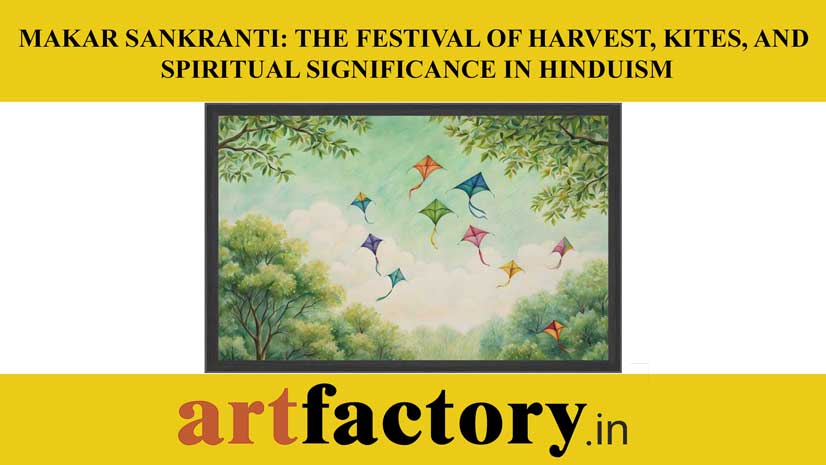
Makar Sankranti: The Festival of Harvest, Kites, and Spiritual Significance in Hinduism
Makar Sakrant: Complete Guide to the Harvest & Kite Festival of India
Makar Sakrant is one of the most important and widely celebrated festivals in India. Also known as Makar Sankranti, Uttarayan, and the Kite Festival, it marks a powerful transition in nature, spirituality, and human life.
Celebrated every year around 14th January, Makar Sakrant symbolizes new beginnings, prosperity, longer days, and positive energy. From colorful skies filled with kites to sweet delicacies made of sesame and jaggery, this festival blends tradition, science, and celebration beautifully.
What is Makar Sakrant?
The word Makar Sakrant comes from two Sanskrit words:
Makar – Capricorn zodiac sign
Sakrant (Sankranti) – Movement or transition
This festival marks the day when the Sun enters Capricorn, beginning its northward journey (Uttarayan). This celestial change is considered highly auspicious in Hindu tradition.
Unlike many Hindu festivals based on the lunar calendar, Makar Sakrant follows the solar calendar, which is why it falls on nearly the same date every year.
Spiritual Significance of Makar Sakrant
Makar Sakrant holds deep spiritual meaning:
Represents the victory of light over darkness
Marks the end of harsh winter and the start of warmer, brighter days
Symbolizes growth, clarity, and fresh opportunities
Considered highly auspicious for meditation, charity, and new beginnings
Many people take holy dips in rivers, perform prayers to the Sun God, and donate food, clothes, and essentials to the needy on this day.
Makar Sakrant as a Harvest Festival
Makar Sakrant is also a major harvest festival of India. Farmers celebrate the completion of the harvest season and express gratitude for abundance and fertility of the land.
It honors:
Hard work of farmers
Blessings of nature
Prosperity and food security
This is why traditional foods prepared during Makar Sakrant use freshly harvested grains, sesame seeds, and jaggery.
Kite Festival: The Most Colorful Face of Makar Sakrant
One of the most joyful traditions of Makar Sakrant is kite flying.
From rooftops to open fields, the sky turns into a canvas of vibrant colors. Cities like Ahmedabad, Jaipur, Surat, and Mumbai become famous for grand kite celebrations.
Why Are Kites Flown on Makar Sakrant?
Flying kites symbolizes:
Rising above limitations
Freedom and happiness
Connection with the sky and the Sun
Welcoming positive cosmic energy
Scientifically, spending time in sunlight during this season helps improve immunity and vitamin D levels.
Socially, it strengthens community bonding as families and friends gather to celebrate together.
Regional Names of Makar Sakrant in India
Makar Sakrant is celebrated across India under different names:
Uttarayan – Gujarat
Pongal – Tamil Nadu
Magh Bihu – Assam
Khichdi Festival – Uttar Pradesh
Pedda Panduga – Andhra Pradesh
Suggi – Karnataka
Though names differ, the essence remains the same – gratitude, renewal, and positivity.
Traditional Foods of Makar Sakrant
Food plays a sacred and joyful role in Makar Sakrant celebrations.
Popular dishes include:
Til-Gud Ladoo (Sesame & Jaggery sweets)
Chikki (brittle sweets)
Khichdi
Pongal
Undhiyu (in Gujarat)
Sesame and jaggery are believed to provide warmth to the body during winter and symbolize sweetness in relationships.
In Maharashtra, people greet each other saying:
“Til gul ghya, god god bola”
(Eat sweets and speak sweetly)
Rituals and Traditions of Makar Sakrant
Common rituals followed on this auspicious day:
Early morning bath
Worship of the Sun God
Donation of food, clothes, and grains
Kite flying
Preparing festive meals
Visiting relatives and friends
Many people also begin new ventures, spiritual practices, and important life decisions on Makar Sakrant.
Modern Celebrations of Makar Sakrant
Today, Makar Sakrant is celebrated not only traditionally but also as a cultural and tourism festival:
International Kite Festivals
Cultural fairs
Music and dance events
Photography tourism
Community gatherings
It has become a global attraction while preserving its spiritual roots.
Why Makar Sakrant is Still Relevant Today
In modern life, Makar Sakrant teaches us:
Gratitude for nature
Balance between material and spiritual growth
Importance of community and family
Positive thinking and fresh beginnings
It reminds us to rise like the sun, let go of darkness, and move forward with hope.
Final Thoughts
Makar Sakrant is not just a festival – it is a celebration of life itself.
It brings together:
The science of seasons
The spirituality of light
The joy of traditions
The warmth of relationships
Whether you celebrate it by flying kites, sharing sweets, praying, or simply enjoying the sunshine, Makar Sakrant fills hearts with optimism, peace, and prosperity.
Comments : (0)